-
Global News Update: May 21, 2026손 가는 대로/그냥 2026. 5. 21. 06:02728x90
Global News Update: May 21, 2026
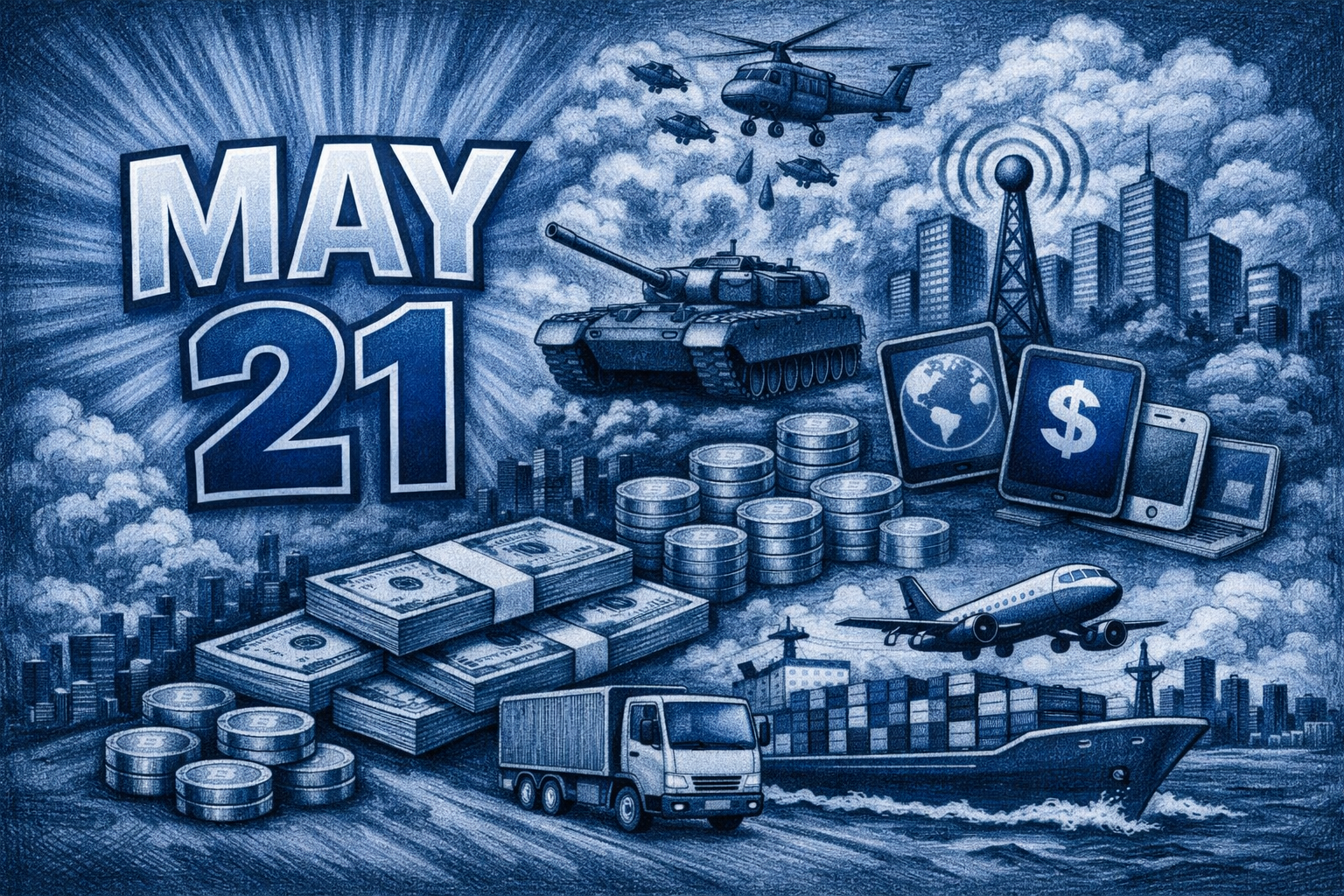
Good morning. It is Thursday, May 21, 2026. This is your deep-dive daily briefing. I am your anchor, delivering a comprehensive analysis of the pivotal events that have defined the last twenty-four hours.
We begin our broadcast on the world stage, where the maritime crisis in the Middle East has entered a highly complex phase following a two-month commercial paralysis. Shipping data from LSEG and Kpler confirm that for the first time since the outbreak of hostilities on February 28, three supertankers have successfully exited the Strait of Hormuz carrying six million barrels of Middle East crude oil bound for Asian markets. This marginal movement, however, does not signal a return to normalcy. The United States Navy-led Joint Maritime Information Center issued a stark warning yesterday, noting multiple instances of aggressive hailing and assertive action by Iranian units within the last forty-eight hours. Shipping industry associations have concurrently released new navigational guidance, warning hundreds of stranded vessels that the corridor remains an exceptionally high-risk zone fraught with the threat of drones, sea mines, and severe traffic congestion. Consequently, while selected transits are being recorded, the strait remains functionally closed to predictable, large-scale commercial navigation.
Transitioning from the theater of conflict to the broader global economy, the macroeconomic fallout of this prolonged maritime blockade is taking a devastating toll on labor markets and international growth. A joint report issued by United Nations agencies, including UNCTAD and the International Labour Organization, has officially downgraded the 2026 global growth projection to 2.5%, a figure well below pre-pandemic baselines. The analysis reveals a cascading cost-of-living crisis across developing regions, driven by surging energy costs and inflated transport insurance premiums. Under the ILO's newly modeled risk scenario, if oil prices remain 50% above their early 2026 average, global working hours could contract by up to 1.1% by next year, threatening the equivalent of 38 million full-time jobs worldwide. This structural drag is increasingly acute in East Asia's economic engine, where growth is projected to slow to 4.4% as mounting input costs and trade uncertainties erode industrial margins and disrupt traditional migrant labor corridors.
In the realm of finance, these persistent, energy-driven inflationary pressures are casting a long shadow over the inaugural days of Kevin Warsh's tenure as Chair of the Federal Reserve. Following his narrow 54-45 confirmation vote in the Senate—the most politically divisive in the history of the central bank—Warsh has officially taken the helm just as consumer price inflation Hovers at a three-year high. Wall Street is adjusting to a dramatic regime change, with J.P. Morgan wealth management strategists predicting that the Fed will keep interest rates completely steady through the remainder of 2026. Institutional investors have effectively abandoned any expectations of a near-term rate cut, with less than 3% of market participants pricing in an easing cycle at any remaining FOMC meetings this year. This hawkish pause reflects a deliberate shift in Fed methodology, as Warsh is expected to favor trimmed averages that drop extreme price shocks to address baseline inflation, signaling a long-term commitment to price stability even as the credit cycle tightens.
Turning our attention to the technology sector, the macroeconomic headwinds generated by this energy crisis are accelerating a monumental restructuring of domestic utility infrastructure to support the artificial intelligence boom. A newly released report by the International Data Center Authority reveals that data centers now consume a historic 2% of the world's electricity, with AI-focused facilities driving a 17% surge in power demand over the past year alone. This unprecedented consumption has triggered massive corporate consolidation on the United States East Coast, exemplified by NextEra Energy's historic 67 billion dollar acquisition of Dominion Energy, a deal designed specifically to secure the massive scale and capital efficiencies required to power the dense concentration of data centers in Virginia. Simultaneously, the industry is facing mounting societal and regulatory scrutiny, as forensic audits reveal that over three gigawatts of power—equivalent to the output of three nuclear reactors—is being wasted globally on idle, zombie cloud containers, forcing hyperscalers to drastically re-engineer their infrastructure efficiency.
Finally, we look at the logistics and supply chain networks that serve as the vital arteries of global commerce, which are now absorbing the permanent structural adjustments of a fractured maritime map. Alphaliner data confirms that the global container fleet is currently operating at a maximum deployment level, with idle capacity sitting at a mere 0.7%. This extreme tightness is a direct consequence of shipping lines permanently integrating the Cape of Good Hope detour into their standard schedules to bypass the volatile Middle Eastern chokepoints. This detour, which adds up to twenty days to standard voyage times, has completely absorbed available vessel supply and triggered widespread operational disruptions. The financial toll of this supply chain shock is manifesting in the corporate landscape, as evidenced by the liquidation of major debt-laden carriers, such as Spirit Airlines in the United States, which was entirely crushed by compounding liabilities and escalating bunker fuel costs, proving that the era of low-cost, just-in-time logistics has been permanently replaced by a high-cost strategy of regional resilience.
In summary, the global landscape is defined by the limited and high-risk transit of six million barrels of oil through a still-paralyzed Strait of Hormuz, occurring as the United Nations downgrades global growth to 2.5%. The Federal Reserve has entered a prolonged pause under the hawkish leadership of Kevin Warsh, while the technology sector witnesses a historic 67 billion dollar utility merger to sustain AI data centers, and the logistics industry grapples with near-zero idle capacity and rising corporate liquidations.
Based on the current trajectory, I predict that the limited transit of supertankers recorded this week will not lead to a meaningful reduction in global energy or logistics costs. The assertive actions by Iranian naval units over the last forty-eight hours demonstrate that Tehran has no intention of relinquishing its administrative stranglehold on the Strait of Hormuz, and the issuance of restrictive navigational guidance by industry associations will keep insurance premiums at prohibitive levels. Consequently, the structural inflation currently impacting global commerce is locked in for the medium term. This reality ensures that Chairman Kevin Warsh's Federal Reserve will maintain a highly restrictive policy stance, completely eliminating any possibility of a interest rate cut for the remainder of 2026 as the global economy adjusts to a permanent premium on trade resilience.
This content was created with the help of AI.https://tv.naver.com/v/99922845
세상 속에서
May 21, 2026
tv.naver.com
안녕히 주무셨습니까. 2026년 5월 21일 목요일입니다. 지난 24시간 동안 전 세계에서 발생한 주요 소식들을 심층적으로 전해드리는 일일 글로벌 브리핑입니다.
먼저 국제 소식입니다. 중동의 해상 위기가 두 달간의 상업적 마비 끝에 매우 복잡한 국면에 접어들었습니다. 엘에스이지(LSEG)와 케플러(Kpler)의 해운 데이터에 따르면, 지난 2월 28일 분쟁 발발 이후 처음으로 600만 배럴의 중동산 원유를 실은 초대형 유조선 세 척이 호르무즈 해협을 통과하여 아시아 시장으로 향한 것으로 확인되었습니다. 그러나 이러한 일부 선박의 이동이 정상화를 의미하는 것은 아닙니다. 미 해군이 이끄는 합동해상정보센터는 어제 발표한 보고서에서 지난 48시간 동안 이란 해군 부대의 공격적인 교신과 위협적인 기동 사례가 여러 건 포착되었다고 경고했습니다. 해운 협회들 역시 성명을 통해 해협에 수백 척의 선박이 여전히 묶여 있으며 드론, 기뢰, 극심한 항로 정체 위험이 상존하고 있다고 밝히고, 선사들에게 최고 수준의 경계를 당부했습니다. 결과적으로 일부 제한적인 통항에도 불구하고 호르무즈 해협은 여전히 예측 가능한 상업적 운항이 불가능한 사실상의 봉쇄 상태를 유지하고 있습니다.
분쟁의 현장에서 더 넓은 세계 경제 분야로 넘어가면, 해상 폐쇄의 장기화가 가져온 구조적 타격이 글로벌 고용 시장과 국제 성장률을 심각하게 위축시키고 있습니다. 유엔무역개발회의(UNCTAD)와 국제노동기구(ILO)를 비롯한 유엔 기구들이 공동 발표한 보고서에 따르면, 올해 세계 성장률 전망치는 이전 추정치보다 크게 하향 조정된 2.5%로 조정되었습니다. 보고서는 폭등하는 에너지 비용과 해상 보험료 상승으로 인해 개발도상국 전역에서 가계 경제와 노동 시장이 심각한 타격을 입고 있다고 분석했습니다. 특히 국제노동기구의 위험 시나리오 모델에 따르면 유가가 현재의 고공행진을 지속할 경우, 내년까지 전 세계 근로 시간이 1.1% 감소하여 전 세계적으로 약 3,800만 개의 정규직 일자리가 사라질 위기에 처할 수 있습니다. 이러한 성장 둔화는 동아시아 경제 엔진에도 직접적인 영향을 미쳐 고유가와 무역 불확실성으로 인해 올해 성장률이 4.4%에 그칠 것으로 전망됩니다.
금융 분야에서는 이러한 지속적인 에너지발 인플레이션이 케빈 워시 신임 연방준비제도 의장의 취임 초기 행보에 무거운 짐을 지우고 있습니다. 미 상원에서 54대 45라는 역대 가장 정치적으로 분열된 인준 투표를 거쳐 취임한 워시 의장은 소비자 물가가 3년 만에 최고치에 달한 엄중한 경제 상황을 마주하고 있습니다. 월스트리트는 이미 연준의 강력한 통화 긴축 기조를 반영하고 있으며, 제이피모건의 전략가들은 연준이 2026년 남은 기간 동안 기준금리를 현 수준에서 동결할 것으로 내다보고 있습니다. 시장 참여자들 역시 단기적인 금리 인하 기대를 완전히 접었으며, 올해 남은 정책 회의에서 금리 인하가 단행될 가능성을 3% 미만으로 산정하고 있습니다. 이러한 매파적 동결 기조는 에너지 쇼크와 같은 단기 변동성을 제외한 trimmed averages 방식을 선호하는 워시 의장의 성향을 반영한 것으로, 경기 위축을 감수하더라도 물가 안정을 최우선으로 하겠다는 신임 지도부의 의지로 풀이됩니다.
기술 부문에서는 중동 분쟁이 초래한 거시경제적 위기에 대응하여, 인공지능 혁명을 뒷받침하기 위한 국내 전력 인프라의 대대적인 구조조정이 거액의 인수합병으로 나타나고 있습니다. 국제데이터센터협회(IDCA)가 발표한 최신 보고서에 따르면 전 세계 데이터 센터의 전력 소비량은 전 세계 총 전력량의 2%에 도달했으며, 특히 AI 데이터 센터의 전력 수요는 지난 한 해 동안 17% 폭증했습니다. 이러한 전력 수요 폭증은 미국 동부 해안의 유틸리티 산업 재편을 촉진하고 있으며, 넥스트에라 에너지가 데이터 센터가 밀집한 버지니아주의 전력 공급을 장악하기 위해 도미니언 에너지를 670억 달러에 인수하기로 합의한 것이 대표적인 사례입니다. 이와 동시에 업계는 미사용 상태로 방치된 좀비 클라우드 컨테이너로 인해 전 세계적으로 3기가와트 이상의 막대한 전력이 낭비되고 있다는 규제 당국의 지적에 직면해 있으며, 하이퍼스케일러들은 인프라 효율성을 극적으로 개선해야 하는 과제를 안게 되었습니다.
마지막으로 글로벌 상거래의 동맥인 물류 및 공급망 네트워크 소식입니다. 글로벌 물류망은 아프리카 우회 항로를 정기 노선으로 완전히 고착화하며 영구적인 구조적 재편을 겪고 있습니다. 알파라이너 데이터에 따르면 현재 글로벌 컨테이너 선박의 유휴 선복량은 0.7%에 불과해 전 세계 선단이 사실상 풀가동되고 있는 상황입니다. 이러한 극심한 선박 부족 현상은 해운사들이 변동성이 큰 중동 요충지를 피하기 위해 아프리카 희망봉 우회 항로를 기본 노선으로 채택하면서 발생했습니다. 운송 기간이 최대 20일 연장되는 이 우회 노선은 선복량을 대거 잠식하고 물류 비용의 영구적인 상승을 유발했습니다. 이러한 공급망 쇼크는 실물 기업들의 연쇄 도산으로 이어지고 있으며, 미국 스피릿 항공이 유가 폭등과 누적된 부채 부담을 이기지 못하고 청산 절차에 돌입한 것은 저비용 적기 생산(Just-in-Time) 모델의 시대가 가고 고비용의 회복력 확보 시대가 도래했음을 보여주는 단면입니다.
요약하자면, 현재 글로벌 지형은 호르무즈 해협에서 600만 배럴의 원유가 제한적으로 통과했으나 유엔이 세계 성장률 전망치를 2.5%로 하향 조정하는 위기 상황으로 정의됩니다. 연방준비제도는 케빈 워시 의장 체제 하에서 고금리 동결 기조를 굳혔으며, 기술 부문에서는 AI 전력 확보를 위한 670억 달러 규모의 대형 유틸리티 합병이 발표되었고, 물류 업계는 선복량 부족과 한계 기업의 퇴출이라는 엄중한 현실에 직면해 있습니다.
현재의 흐름을 바탕으로 볼 때, 이번 주에 기록된 일부 유조선의 해협 통과가 글로벌 에너지나 물류 비용의 하락으로 이어지지는 않을 것으로 예측됩니다. 지난 48시간 동안 발생한 이란 해군의 위협적인 행동은 테헤란 당국이 호르무즈 해협에 대한 행정적 통제권을 내려놓을 의사가 없음을 분명히 보여주며, 해운 업계의 고위험 경보 유지는 보험료를 계속 높은 수준으로 묶어둘 것입니다. 결과적으로 글로벌 무역 전반에 내재된 구조적 인플레이션 압력은 당분간 지속될 수밖에 없으며, 이는 케빈 워시 의장이 이끄는 연방준비제도가 시장의 조기 완화 기대감을 차단하고 2026년 남은 기간 동안 기준금리를 인하 없이 높은 수준으로 유지하는 결정적인 배경이 될 것입니다.
이 콘텐츠는 AI의 도움을 받아 작성되었습니다.
https://www.youtube.com/playlist?list=PLT29kw_Abnh1dEdLdoCEiSoA2NA0YXjQCNews
News
www.youtube.com
https://tv.naver.com/v/99777156?playlistNo=1022595
세상 속에서
May 19, 2026
tv.naver.com








 728x90
'손 가는 대로 > 그냥' 카테고리의 다른 글
오늘의 별자리 운세 (2026년 5월 22일) (0) 2026.05.22 오늘의 별자리 운세 (2026년 5월 21일) (0) 2026.05.21 오늘의 별자리 운세 (2026년 5월 20일) (0) 2026.05.20 오늘의 별자리 운세 (2026년 5월 19일) (0) 2026.05.19 Global News Update: May 19, 2026 (0) 2026.05.19