개인소비지출(PCE) 물가지수
오늘 소개해 드릴 핵심 경제 지표는 미국 연방준비제도(Fed)가 가장 사랑하고 신뢰하는 물가 지표, 바로 개인소비지출(Personal Consumption Expenditures, PCE) 물가지수입니다.
개인소비지출(PCE) 물가지수
지표의 의미
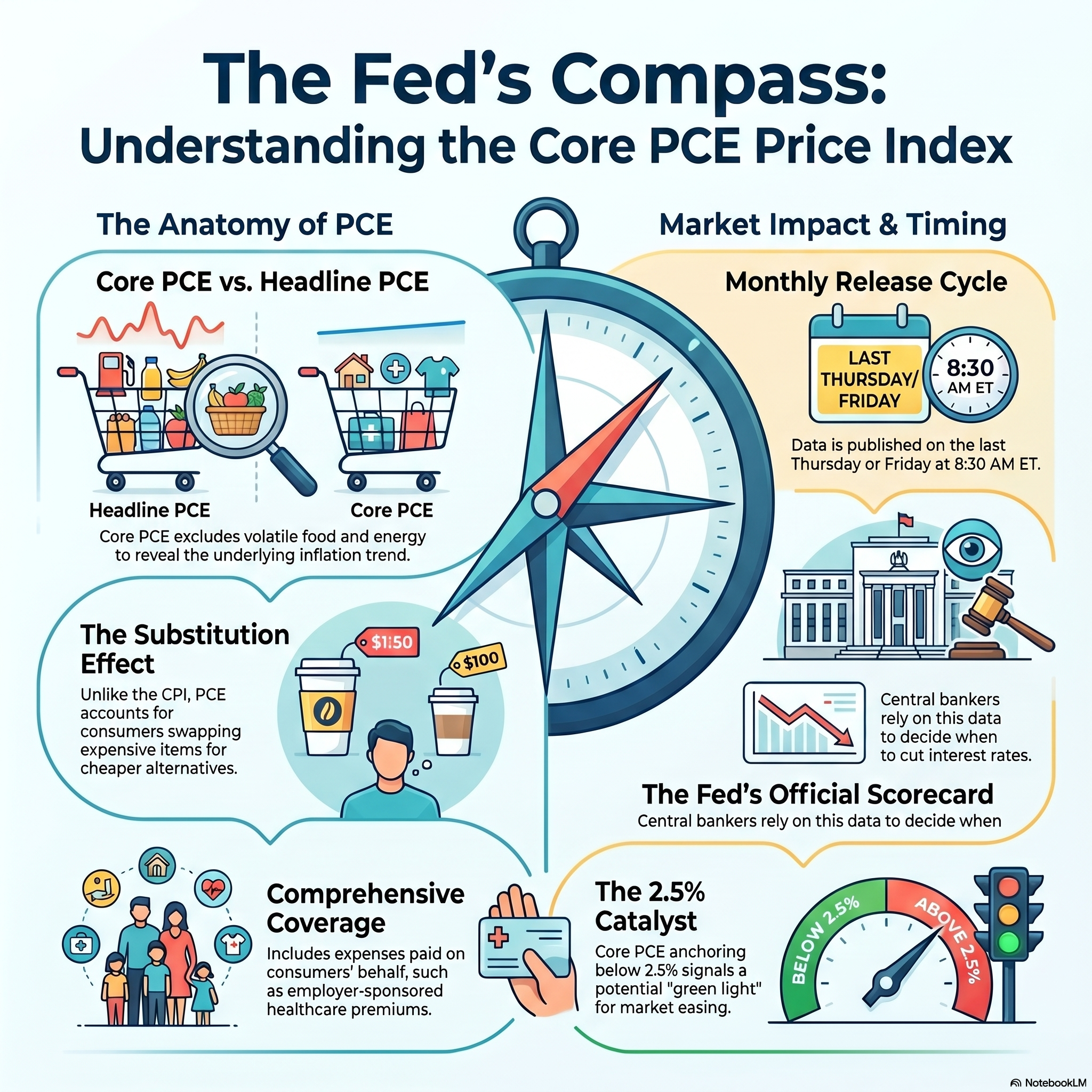
개인소비지출(PCE) 물가지수는 미국 경제분석국(BEA)이 매월 발표하며, 미국 내 소비자가 상품과 서비스를 구매할 때 지불하는 가격의 변동을 측정합니다. 앞서 다룬 CPI와 비슷해 보이지만 결정적인 차이가 있습니다. 첫째, 소비자가 소고기 값이 오르면 돼지고기를 사는 등의 '대체 효과(Substitution effect)'를 매월 즉각적으로 반영합니다. 둘째, 소비자가 직접 지불하지 않고 기업이나 정부가 대신 내주는 비용(예: 고용주 지원 의료보험료 등)까지 포함하여 훨씬 포괄적입니다. 특히, 변동성이 큰 식료품과 에너지를 제외한 '근원(Core) PCE 물가지수'는 연준이 공식적인 인플레이션 목표치(2%)로 삼는 절대적인 기준입니다.
발표 주기 및 시점
PCE 지수는 매월 1회, 보통 매월 마지막 주 목요일 또는 금요일에 발표됩니다. 발표 시간은 미국 동부 시간(ET) 기준 오전 8시 30분입니다. 전월의 데이터를 집계하여 발표하므로, CPI 발표 시점(매월 중순)보다 약 2주 정도 늦게 시장에 나옵니다.
주목받는 이유
현재 금융 시장이 PCE에 열광하는 이유는 단 하나, '연준의 최종 채점표'이기 때문입니다. 파월 의장을 비롯한 연준 위원들이 금리 인하의 전제 조건으로 삼는 "물가가 2%를 향해 지속 가능하게 둔화하고 있다는 확신"을 얻기 위해 가장 눈여겨보는 데이터가 바로 근원 PCE입니다. CPI가 다소 높게 나오더라도, 며칠 뒤 발표되는 PCE가 안정적이라면 시장은 안도 랠리를 펼치곤 합니다.
함께 고려해야 할 지표
* 소비자물가지수(CPI) 및 생산자물가지수(PPI): PCE보다 먼저 발표되므로, PCE의 결과값을 미리 가늠해 볼 수 있는 강력한 선행/예측 지표 역할을 합니다.
* 개인소득 및 지출 (Personal Income and Outlays): PCE 보고서에 함께 포함되어 발표되며, 소비자들이 실제로 돈을 얼마나 벌고(소득), 얼마나 쓰고 있는지(지출 강도)를 보여줍니다.
* 미시간대 소비자심리지수: 향후 소비 지출의 방향성을 예측하는 데 유용합니다.
향후 전망 (Future Outlook)
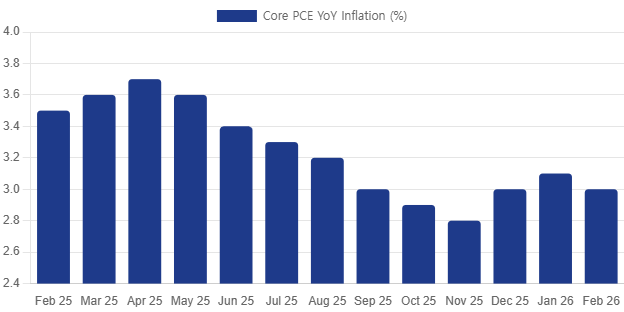
상품 물가는 이미 안정세에 접어들었으나, 주거비와 의료, 운송 등 서비스 물가의 하향 안정화가 PCE가 2% 목표치로 수렴하는 데 가장 큰 관건입니다. 향후 수개월간 근원 PCE가 전년 대비 2.5% 이하로 확실히 자리 잡는다면, 글로벌 증시는 연준의 안정적인 통화 완화 정책에 힘입어 강한 상승 동력을 얻게 될 것입니다.
Personal Consumption Expenditures (PCE) Price Index
What the Indicator Means
The Personal Consumption Expenditures (PCE) Price Index, released by the U.S. Bureau of Economic Analysis (BEA), measures the changes in the prices of goods and services purchased by consumers in the United States. While it sounds similar to the CPI, it has crucial differences. First, it accounts for the "substitution effect"—if beef gets too expensive and consumers switch to chicken, the PCE captures this change in behavior immediately. Second, it includes expenses paid on behalf of consumers, such as employer-sponsored healthcare. The Core PCE Price Index, which strips out volatile food and energy prices, is the ultimate gauge the Federal Reserve uses for its 2% inflation target.
Release Frequency & Timing
The PCE report is published monthly, generally on the last Thursday or Friday of the month at 8:30 AM Eastern Time (ET). It reports data for the preceding month, meaning it arrives about two weeks after the CPI report.
Why It Is Receiving Attention
The PCE commands the market's utmost attention because it is the "official scorecard" for the Federal Reserve. When Chair Jerome Powell and other Fed officials look for confidence that inflation is moving sustainably toward 2% before cutting interest rates, they are looking directly at the Core PCE. Even if a CPI reading comes in hotter than expected, a subsequent tame PCE reading can quickly soothe market anxieties and trigger a relief rally.
Indicators to Consider Alongside PCE
* CPI and PPI: Released earlier in the month, these indexes act as vital leading indicators. Analysts use them to forecast what the PCE reading will be.
* Personal Income and Outlays: Released within the same BEA report, these metrics show how much money consumers are bringing in and how aggressively they are spending it.
* University of Michigan Consumer Sentiment: Helps forecast the future trajectory of consumer spending behavior.
Future Outlook
While core goods deflation has been a major tailwind, the "last mile" of bringing PCE down to the 2% target relies heavily on cooling services inflation (especially housing and medical care). If the Core PCE YoY reading can firmly anchor below 2.5% in the coming months, it will give the Fed the green light for a steady easing cycle, likely providing a strong bullish catalyst for global equities and bonds.