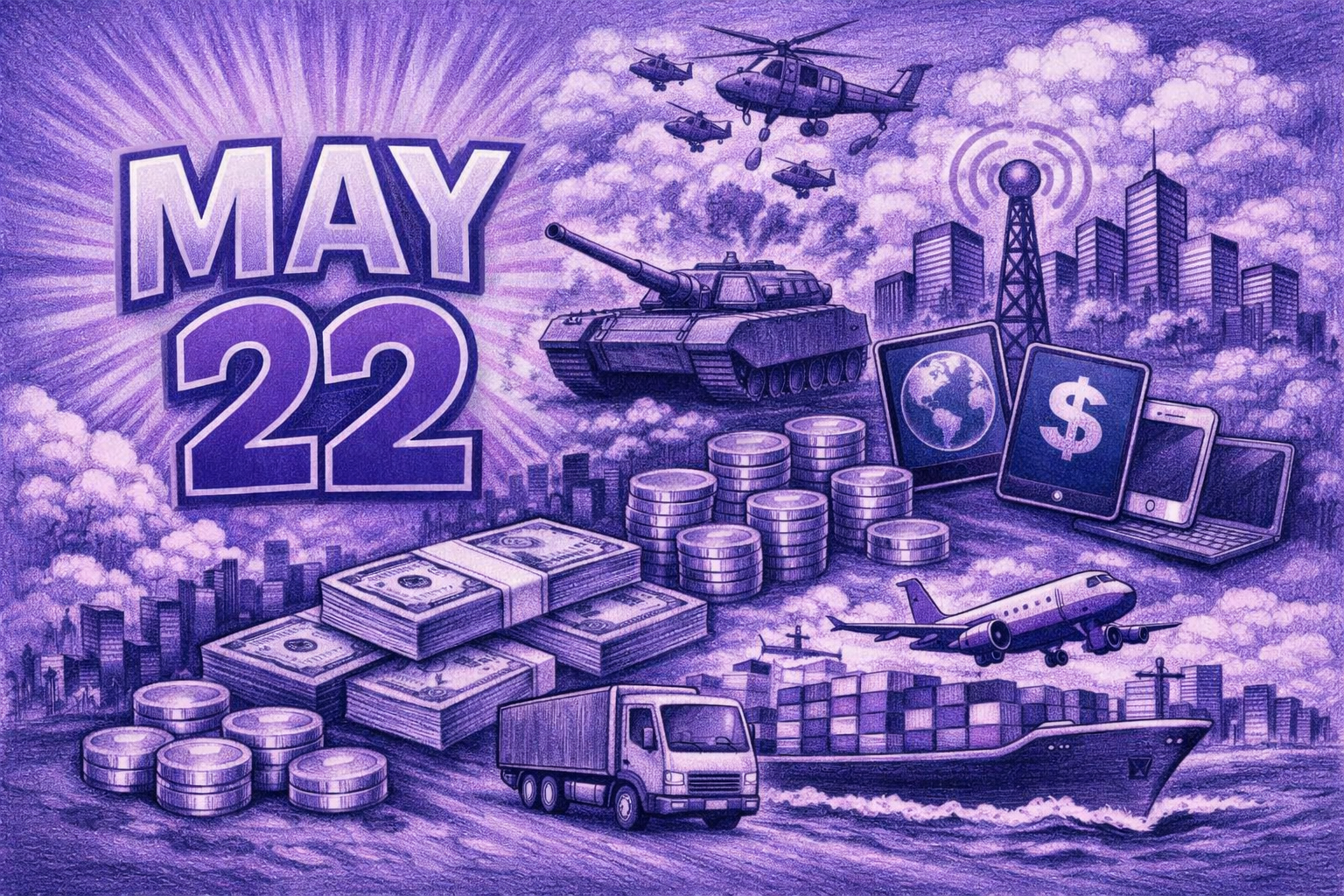
Global News Update: May 22, 2026
Global News Update: May 22, 2026
Good morning. It is Friday, May 22, 2026. This is your deep-dive daily briefing. I am your anchor, delivering a comprehensive analysis of the pivotal events that have defined the last twenty-four hours.
We begin our broadcast on the world stage, where the delicate balance of international security has been tested by a dramatic escalation of strategic maneuvers. Overnight, Russia and its close ally Belarus concluded the final stage of a massive, three-day joint nuclear weapons exercise. According to the Russian Ministry of Defense, the drills involved an expansive deployment of 64,000 troops, over 200 missile launchers, and more than 70 surface warships and submarines, including vessels carrying nuclear-tipped intercontinental ballistic missiles. Russian President Vladimir Putin described the maneuvers as an exceptional measure necessary to ensure state security, a move that comes amidst a sharp spike in Ukrainian drone activity near Moscow. Meanwhile, the diplomatic friction between Washington and Tehran has reached a critical juncture. While the United States military conducted an operation to board and search an Iranian-flagged oil tanker in the Gulf of Oman, President Donald Trump simultaneously announced that his administration is in the final stages of peace talks with Tehran, signaling a high-stakes combination of military deterrence and back-channel diplomacy as the international community waits for a definitive response regarding the status of the Strait of Hormuz.
Transitioning from these flashpoints of global security to the broader macroeconomic landscape, the economic fallout of the prolonged Middle East conflict is now actively suppressing global growth and reigniting inflation. Fresh data from S&P Global’s Purchasing Managers Indexes released this week indicates a widening divergence among the world's largest economies. While the United States manufacturing and services sectors maintained a steady pace in May, economic activity across Europe and Asia has sharply decelerated under the weight of surging energy costs. Economists warn that the global economy is facing its weakest non-pandemic expansion since the global financial crisis. In the eurozone, the composite PMI plummeted to a multi-month low of 47.5, pointing toward a contraction in second-quarter gross domestic product. The inflationary impact is becoming systemic, with businesses in both the United States and Europe raising their selling prices at the fastest clip in years to absorb soaring input expenses, leaving central banks with an increasingly intractable dilemma between combating a downturn and anchoring inflation.
This reality of a fragmenting macroeconomic environment is driving a fundamental restructuring of the international financial and regulatory landscape. In Washington, lawmakers are responding to the erosion of traditional financial buffers by introducing landmark bipartisan legislation to modernize the nation's reserve assets. The American Reserve Modernization Act of 2026 was formally introduced on Thursday, aiming to establish a sovereign, strategic Bitcoin reserve. Proponents of the bill argue that as the global economy faces persistent inflation and state-level trade weaponization, the United States must diversify its core balance sheet to protect taxpayer interests and strengthen its long-term financial sovereignty. This legislative push coincides with an era of fiscal strain across Europe, exemplified by the International Monetary Fund's Article IV consultation concluding statement for France. The IMF has warned that new headwinds from the Middle East are beginning to weigh heavily on European public finances, urging nations to aggressively implement multi-year consolidation strategies to sustain public debt sustainability while preserving essential outlays for defense and the digital transition.
Turning our attention to the technology sector, the structural push to manage massive data sets and fuel the artificial intelligence revolution is triggering a wave of institutional modernization and corporate consolidation. The United States General Services Administration has announced a landmark OneGov agreement with Snowflake, the AI data cloud company, to streamline data infrastructure across all federal agencies. In alignment with the White House AI Action Plan, this initiative is designed to break down long-standing bureaucratic data silos and reduce data storage and computing costs for the federal workforce by up to 50%, accelerating the deployment of mission-specific AI tools. This government-wide digital modernization reflects a broader commercial necessity, as computing tasks associated with next-generation agentic AI continue to face severe energy bottlenecks. Tech giants and utility providers are re-engineering their infrastructure efficiency, shifting away from overextended public grids to secure the massive, high-density power systems required to sustain the digital future.
Finally, we look at the logistics and supply chain networks that serve as the vital arteries of global commerce, which are now absorbing the operational realities of a permanently rewritten trade map. The maritime industry continues to operate at maximum capacity, with idle fleet capacity sitting near record lows as shipping lines fully commit to the longer Cape of Good Hope route to bypass volatile maritime chokepoints. To manage the immense complexity of these contested environments, logistics providers are aggressively turning toward autonomous software solutions. This week, the United States Marine Corps integrated Rune Technologies' advanced AI-powered predictive logistics platform, known as TyrOS, into its primary command and control initiative, Project Freedom. This cutting-edge software allows tactical commanders to track and anticipate supply shortfalls even in communication-degraded environments, a development that parallels efforts in the commercial sector, such as DHL Supply Chain breaking ground on a massive European Battery Logistics Hub in the Netherlands to secure regionalized, resilient energy storage supply chains.
In summary, the global landscape is defined by massive joint nuclear drills by Russia and Belarus occurring alongside high-stakes U.S.-Iran negotiations, a divergence in global PMI data pointing to an economic slowdown and rising inflation, and a bipartisan push in the U.S. Congress for a strategic Bitcoin reserve. Technological innovation is driving a unified federal data platform through the GSA, while the logistics sector relies on predictive AI and regionalized battery infrastructure to survive a fractured global trade network.
Based on the current data, I predict that the economic divergence revealed in this week's PMI surveys will force a permanent fracture in global monetary policy through the remainder of 2026. The Federal Reserve, facing a resilient domestic manufacturing sector but accelerating price hikes, is highly likely to keep interest rates elevated for much longer than Wall Street anticipates. Conversely, the sharp contraction in European activity will likely compel the European Central Bank to prioritize growth over inflation, leading to a significant weakening of the Euro against the Dollar. Furthermore, the introduction of the American Reserve Modernization Act signals that digital assets are no longer a fringe phenomenon but are being viewed as critical instruments of state-level financial defense, a trend that will likely accelerate as nations accept that the era of a unified, low-cost global trading system has officially come to an end.
This content was created with the help of AI.
https://tv.naver.com/v/99991442
세상 속에서
May 22, 2026
tv.naver.com
안녕히 주무셨습니까. 2026년 5월 22일 금요일입니다. 지난 24시간 동안 전 세계에서 발생한 주요 소식들을 심층적으로 전해드리는 일일 글로벌 브리핑입니다.
먼저 국제 소식입니다. 전 세계가 새로운 군사적 긴장 고조 가능성을 주시하고 있는 가운데, 국제 안보의 미묘한 균형이 대대적인 전략적 기동으로 인해 중대한 시험대에 올랐습니다. 지난밤 러시아와 우방국 벨라루스는 사흘간 진행된 대규모 합동 핵무기 훈련의 최종 단계를 마무리했습니다. 러시아 국방부에 따르면 이번 훈련에는 64,000명의 병력과 200기 이상의 미사일 발사대, 그리고 핵탄두 탑재 대륙간탄도미사일을 탑재한 잠수함을 포함한 70여 척의 수상함 및 잠수함이 투입되었습니다. 블라디미르 푸틴 러시아 대통령은 이번 기동이 국가 안보를 보장하기 위해 필요한 예외적인 조치라고 설명했으며, 이는 모스크바 인근의 우크라이나 드론 공격 급증세 속에서 진행되었습니다. 한편 워시턴과 테헤란 간의 외교적 마찰은 중대한 기로에 섰습니다. 미 해군이 오만만에서 이란 국적의 유조선을 검문 수색하는 군사적 압박을 가하는 동시에, 도널드 트럼프 미국 대통령은 테헤란과의 평화 협상이 최종 단계에 와 있다고 발표하여, 호르무즈 해협의 지위를 놓고 군사적 억제력과 물밑 외교를 동시에 동원하는 고도의 전략을 구사하고 있습니다.
안보 안개 속에서 더 넓은 세계 경제 분야로 넘어가면, 중동 분쟁의 장기화가 가져온 거시경제적 타격이 글로벌 성장을 위축시키고 인플레이션 불씨를 다시 지피고 있습니다. 이번 주 발표된 에스앤피 글로벌(S&P Global)의 5월 구매관리자지수(PMI)는 세계 주요 경제국들 간의 격차가 벌어지고 있음을 명백히 보여줍니다. 미국의 제조업과 서비스업 부문은 성장을 유지했으나, 유럽과 아시아의 경제 활동은 폭등하는 에너지 비용의 부담을 이기지 못하고 급격히 둔화되었습니다. 경제학자들은 현재 세계 경제가 코로나19 팬데믹 기간을 제외하면 글로벌 금융위기 이후 가장 낮은 성장세를 보이고 있다고 경고합니다. 특히 유로존의 복합 PMI는 수개월 만에 최저치인 47.5로 추락하여 2분기 국내총생산(GDP)의 감소를 예고하고 있습니다. 이러한 물가 상승 압력은 구조화되어 미국과 유럽의 기업들이 가중되는 비용을 반영해 판매 가격을 수년 만에 가장 빠른 속도로 인상함에 따라, 중앙은행들은 경기 침체 방어와 물가 안정이라는 진퇴양난의 과제에 직면해 있습니다.
이러한 거시경제 환경의 분절화는 국제 금융 및 규제 지형의 근본적인 재편을 촉진하고 있습니다. 미 의회에서는 전통적인 재정 완충력의 약화에 대응하여 국가의 예비 자산을 현대화하기 위한 초당적인 법안을 발의했습니다. 목요일 공식 발의된 2026년 미국 예비자산 현대화 법안(ARMA)은 국가 차원의 전략적 비트코인 비축물량 설정을 목표로 하고 있습니다. 법안을 주도한 의원들은 글로벌 경제가 지속적인 인플레이션과 국가 수준의 무역 무기화 공세에 직면한 만큼, 미국이 납세자의 이익을 보호하고 장기적인 금융 주권을 강화하기 위해 핵심 자산 자산의 다변화를 꾀해야 한다고 강조했습니다. 이러한 입법 움직임은 유럽 전역의 재정적 압박과도 맥을 같이하며, 국제통화기금(IMF)이 발표한 프랑스와의 연례협의 성명서에서도 확인됩니다. IMF는 중동발 새로운 하방 위험이 유럽의 공공 재정에 무거운 짐을 지우고 있다고 경고하고, 국방 및 디지털 전환 등 필수 지출을 보장하면서도 재정 지속 가능성을 유지하기 위해 다년간의 긴축 전략을 공격적으로 시행해야 한다고 권고했습니다.
기술 부문에서는 막대한 데이터 관리와 인공지능 혁명을 뒷받침하기 위한 제도적 현대화 및 기업 간의 대대적인 구조조정이 이어지고 있습니다. 미국 연방총무청(GSA)은 모든 연방 기관의 데이터 인프라를 효율화하기 위해 인공지능 데이터 클라우드 기업인 스노우플레이크와 대규모 원정부(OneGov) 계약을 체결했다고 발표했습니다. 백악관 AI 행동 계획에 발맞춘 이번 이니셔티브는 행정부 내에 오랫동안 존재해 온 관료적 데이터 장벽을 허물고 연방 공무원들의 데이터 저장 및 연산 비용을 최대 50%까지 절감하여, 각 기관의 임무에 특화된 AI 도구 도입을 가속화할 전망입니다. 이러한 정부 차원의 디지털 현대화는 차세대 에이전트 AI 가동에 따른 전력 수요 폭증으로 심각한 인프라 한계에 직면한 민간 부문의 필요성을 반영합니다. 거대 기술 기업들과 유틸리티 공급업체들은 디지털 미래를 지속하기 위해 기존 공공 전력망의 한계를 우려하여 대규모 고밀도 전력 시스템을 확보하는 수직 계열화 전략을 강화하고 있습니다.
마지막으로 글로벌 상거래의 동맥인 물류 및 공급망 네트워크 소식입니다. 글로벌 물류망은 변동성이 큰 해상 요충지를 피하기 위해 아프리카 우회 항로를 완전히 정착시키며 영구적인 구조적 재편을 겪고 있습니다. 해운사들이 아프리카 희망봉 우회 항로를 정기 노선으로 채택하면서 유휴 선복량이 역사적 최저 수준을 기록함에 따라 전 세계 선단은 사실상 풀가동되고 있습니다. 이러한 복잡하고 적대적인 환경을 관리하기 위해 물류 업계는 자율 소프트웨어 솔루션 도입에 적극적으로 나서고 있습니다. 이번 주 미 해병대는 전투 실험실의 주도로 자율 예측 군사 물류 플랫폼인 룬 테크놀로지스(Rune Technologies)의 타이어오에스(TyrOS) 시스템을 주요 지휘 통제 현대화 사업인 프로젝트 디나미스(Project Dynamis)에 통합했습니다. 이 첨단 소프트웨어는 통신이 차단된 환경에서도 지휘관들에게 실시간 물류 가시성을 제공하며, 이는 디एच엘(DHL) 공급망 사업부가 유럽 내 자급자족 가능한 배터리 및 에너지 저장 장치 물류 허브 건설에 착공하여 공급망 회복력을 강화하려는 민간 부문의 노력과 궤를 같이합니다.
현재 글로벌 지형은 미국의 고강도 중동 외교 협상과 러시아-벨라루스의 대규모 합동 핵훈련이 동시에 전개되는 가운데 세계 PMI 지표가 성장 둔화와 인플레이션 상승을 가리키고 미 의회에서 전략적 비트코인 비축 법안이 발의되는 위기 상황으로 정의됩니다. 기술 부문에서는 GSA를 통한 연방 데이터 플랫폼 통합이 추진되고 있으며, 물류 업계는 분절된 무역망에서 살아남기 위해 예측 AI와 지역별 배터리 인프라 구축에 사활을 걸고 있습니다.
현재의 지표들을 바탕으로 볼 때, 이번 주 PMI 조사에서 드러난 경제적 격차는 2026년 남은 기간 동안 글로벌 통화 정책의 영구적인 분열을 초래할 것으로 예측됩니다. 미국은 제조업 부문의 상대적 견조함 속에 물가 상승세가 가속화됨에 따라 연방준비제도가 시장의 예상보다 훨씬 더 오랫동안 고금리 기조를 유지할 가능성이 매우 높습니다. 반면 유럽의 급격한 경기 위축은 유럽중앙은행으로 하여금 물가보다 성장을 우선시하도록 강제하여 달러 대비 유로화의 가치를 크게 약화시킬 것입니다. 아울러 미국 예비자산 현대화 법안의 발의는 디지털 자산이 더 이상 변두리의 현상이 아니라 국가 차원의 금융 방어 수단으로 인식되기 시작했음을 보여주며, 전 세계가 과거의 통합된 저비용 글로벌 무역 시대가 공식적으로 끝났음을 받아들임에 따라 이러한 자산 다변화 추세는 더욱 빨라질 것입니다.
이 콘텐츠는 AI의 도움을 받아 작성되었습니다.
https://www.youtube.com/playlist?list=PLT29kw_Abnh1dEdLdoCEiSoA2NA0YXjQC
News
News
www.youtube.com
https://tv.naver.com/v/99991474?playlistNo=1022595
세상 속에서
May 22, 2026
tv.naver.com