-
Global News Update: April 30, 2026손 가는 대로/그냥 2026. 4. 30. 06:11728x90
Global News Update: April 30, 2026
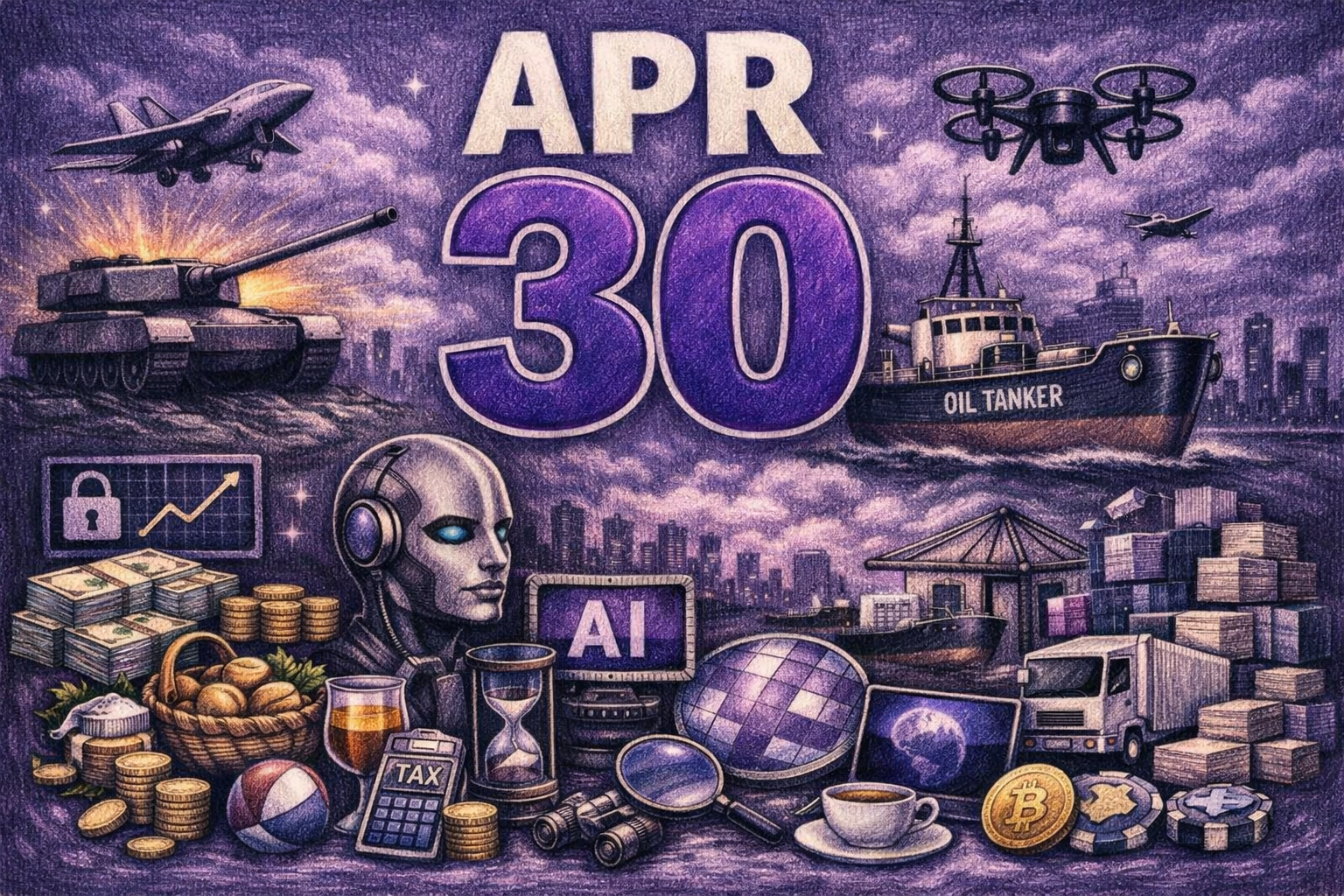
Good morning. It is Thursday, April 30, 2026. This is your deep-dive daily briefing. I am your anchor, delivering a comprehensive analysis of the pivotal events that have defined the last twenty-four hours.
We begin our broadcast on the world stage, where the strategic landscape of the Middle East remains locked in a high-stakes standoff. As of this morning, diplomatic efforts to secure a definitive peace agreement in Islamabad appear to be at a complete standstill. While a nominal ceasefire remains technically in place, the situation on the ground remains grim. Regional tensions have pushed domestic gasoline prices in the United States toward a four-year high of 4.18 per gallon. The threat of renewed kinetic operations remains at a hair-trigger, as both the United States and Iran engage in a war of rhetoric that has so far precluded any return to the negotiating table. This geopolitical friction continues to be defined by a dual blockade, with the United States Navy enforcing a strict embargo on Iranian ports while Tehran maintains a commercially non-functional environment in the Strait of Hormuz through the use of naval mines and seizure threats.
Transitioning from the front lines of diplomacy to the broader global economy, the shadow of this prolonged conflict is being formally quantified by the International Monetary Fund. In its latest World Economic Outlook, the IMF has confirmed a slowdown in global growth, now projected at 3.1% for 2026. This revision is a direct result of the energy shocks and trade barriers stemming from the Middle East crisis. Economists at the Fund warn that if the conflict broadens, the global economy could face a persistent stagflationary trap. Furthermore, the massive scaling up of defense spending—which is rising by an average of 2.7 percentage points of GDP globally—is creating a state of fiscal dominance. While these outlays may provide a temporary boost to industrial activity, they are increasingly crowding out essential social spending and weakening the long-term fiscal sustainability of both advanced and emerging economies.
In the realm of finance, the Federal Reserve concluded its final policy meeting under the supervision of Chair Jerome Powell yesterday, Wednesday, April 29. The Federal Open Market Committee voted 8-4 to keep interest rates on pause in the range of 3.5% to 3.75%, judging inflation as running too hot to justify a rate cut. This decision reflects the complex challenge central bankers face: high crude oil prices are keeping inflationary pressures uncomfortably elevated, even as the broader economic fallout threatens to cool the labor market. Market participants are now looking toward the upcoming leadership transition, as Kevin Warsh is widely expected to succeed Powell on May 15. Financial markets currently project an 89% probability that the Fed's benchmark interest rate will remain at its current level through December, suggesting that investors believe inflation will remain high enough to discourage any rate cuts for the remainder of the year.
Turning our attention to the technology sector, the focus has shifted toward a massive infrastructure-driven push to secure the physical energy required for the next generation of artificial intelligence. In a landmark development, industry reports indicate that nuclear microreactor technology is emerging as the strategic backbone for AI data centers. These facilities, which are projected to see their electricity consumption more than double to over 1,000 terawatt-hours by the end of 2026, are seeking on-site, 24/7 reliable energy. This week, a critical proof-of-concept demonstration was announced using a research reactor to power a high-performance GPU node. This strategic pivot highlights a new reality where technology leadership is increasingly dependent on energy independence, as hyperscalers attempt to decouple their digital infrastructure from a global power grid that remains vulnerable to geopolitical shocks.
Finally, we look at the logistics and supply chain networks that serve as the vital arteries of global commerce, which are now undergoing a permanent structural rewiring. The ongoing crisis in the Strait of Hormuz has essentially removed 25% of the world's seaborne oil trade and 20% of global liquefied natural gas from their traditional routes. With shipowners anticipating months of disruption, major carriers have fully integrated the Cape of Good Hope detour into their global operations. This shift adds roughly fourteen days to standard voyage times and has triggered a significant increase in container rates. The industry has effectively abandoned the low-cost, just-in-time models of the past in favor of high-cost regional buffer strategies. As the 32 members of the International Energy Agency continue to release 400 million barrels of oil to stabilize prices, logistics professionals warn that the era of secure maritime corridors can no longer be taken for granted.
In summary, the global landscape is currently defined by a stalled diplomatic process in the Middle East that has triggered a significant downgrade in global growth and forced the Federal Reserve into a restrictive holding pattern. Technological innovation in energy-independent data centers is accelerating, yet the immediate reality remains one of high inflation and permanent shifts in global shipping routes.
Based on the current trajectory, I predict that even if a formal diplomatic breakthrough is reached in Islamabad, the structural changes to global logistics and the premium on energy independence in the technology sector will remain permanent. The world has learned that reliance on singular maritime chokepoints is a liability that can no longer be ignored, and we are likely to see a continued move toward regionalized, self-sustaining industrial and digital hubs through the remainder of 2026.
This content was created with the help of AI.https://tv.naver.com/v/98702817
세상 속에서
April 30, 2026
tv.naver.com
안녕하세요. 2026년 4월 30일 목요일입니다. 지난 24시간 동안 전 세계에서 발생한 주요 소식들을 심층적으로 전해드리는 일일 글로벌 브리핑입니다.
먼저 국제 소식입니다. 이슬라마바드에서의 외교적 해결 창구가 좁아짐에 따라 중동의 전략적 지형이 극도로 불안정한 상태를 유지하고 있습니다. 오늘 현재, 평화 협상은 사실상 중단된 것으로 보입니다. 명목상의 휴전은 유지되고 있으나 실질적인 상황은 매우 암담합니다. 지역적 긴장감으로 인해 미국의 전국 평균 휘발유 가격은 4년 만에 최고치인 갤런당 4.18달러에 근접했습니다. 양국 간의 거친 설전이 협상장 복귀를 가로막고 있어 군사 작전이 언제든 재개될 수 있는 위기가 계속되고 있습니다. 미 해군은 이란 항구에 대한 엄격한 금수 조치를 이어가고 있으며, 이에 맞서 이란은 기뢰와 나포 위협을 통해 호르무즈 해협을 상업적으로 마비시키는 이중 봉쇄 상황이 지속되고 있습니다.
외교가 소식에서 더 넓은 세계 경제 분야로 넘어가면, 중동 분쟁의 장기화가 가져올 타격이 국제통화기금에 의해 공식적인 수치로 기록되고 있습니다. IMF는 최신 세계 경제 전망 보고서를 통해 올해 세계 성장률 전망치를 3.1%로 확정했습니다. 이는 중동 위기로 인한 에너지 쇼크와 무역 장벽의 직접적인 결과입니다. IMF 경제학자들은 분쟁이 확대될 경우 세계 경제가 지속적인 스태그플레이션의 덫에 빠질 수 있다고 경고했습니다. 또한 전 세계적으로 국방비 지출이 GDP 대비 평균 2.7% 포인트 증가함에 따라 재정적 압박이 가중되고 있습니다. 이러한 지출은 단기적으로 산업 활동을 자극할 수 있으나, 필수적인 사회적 지출을 잠식하고 선진국과 신흥국 모두의 장기적인 재정 지속 가능성을 약화시키고 있습니다.
금융 분야에서는 어제 4월 29일 수요일, 제롬 파월 의장 체제에서의 마지막 연방준비제도 정책 회의가 마무리되었습니다. 연방공개시장위원회는 인플레이션이 금리 인하를 정당화하기에는 너무 높다고 판단하여 기준금리를 3.5%에서 3.75% 범위에서 동결하기로 8대 4로 결결했습니다. 이러한 결정은 고유가가 인플레이션 압력을 높게 유지하는 동시에 경제적 여파가 고용 시장을 위축시킬 위험이 있다는 중앙은행의 고민을 반영합니다. 시장은 이제 5월 15일 파월 의장의 뒤를 이을 케빈 워시 차기 의장 내정자에게 주목하고 있습니다. 현재 금융 시장은 연말까지 금리가 동결될 확률을 89%로 보고 있으며, 이는 투자자들이 올해 내 금리 인하 가능성을 낮게 보고 있음을 시사합니다.
기술 부문에서는 차세대 인공지능에 필요한 물리적 에너지를 확보하기 위한 대대적인 인프라 투자 움직임이 주목받고 있습니다. 업계 보고서에 따르면 원자력 마이크로원자로 기술이 인공지능 데이터 센터의 전략적 중추로 부상하고 있습니다. 2026년 말까지 전력 소비량이 1,000테라와트시 이상으로 두 배 넘게 급증할 것으로 예상되는 이들 시설은 24시간 안정적인 전력 공급을 원하고 있습니다. 이번 주에는 연구용 원자로를 사용해 고성능 GPU 노드에 전력을 공급하는 중요한 개념 증명 시연이 발표되었습니다. 이러한 전략적 전환은 기술 패권이 이제 에너지 자립에 달려 있음을 시사하며, 하이퍼스케일러들은 지정학적 충격에 취약한 글로벌 전력망으로부터 디지털 인프라를 분리하려는 노력을 강화하고 있습니다.
마지막으로 글로벌 상거래의 동맥인 물류 및 공급망 네트워크 소식입니다. 호르무즈 해협 위기로 인해 전 세계 해상 석유 무역의 25%와 액화천연가스의 20%가 기존 경로에서 완전히 이탈하는 등 물류망의 영구적인 구조적 재편이 진행되고 있습니다. 해운사들은 이번 혼란이 수개월간 지속될 것으로 보고 아프리카 희망봉 우회 항로를 운영 체계에 완전히 통합했습니다. 이러한 변화는 운송 기간을 약 14일 연장시켰으며 컨테이너 운임의 급등을 초래했습니다. 물류 업계는 이전의 저비용 적기 생산 방식을 사실상 포기하고 고비용의 지역별 완충 재고 확보 전략으로 전환했습니다. 국제에너지기구가 가격 안정을 위해 4억 배럴의 전략유를 방출하고 있음에도 불구하고, 물류 전문가들은 안전한 해상 통로의 시대가 더 이상 보장될 수 없음을 경고하고 있습니다.
현재 글로벌 지형은 중동의 외교적 교착 상태로 인해 세계 성장률 전망이 하향 조정되고 연방준비제도가 긴축적인 관망세를 유지하는 상황으로 요약됩니다. 에너지 자립형 데이터 센터와 같은 기술 혁신은 가속화되고 있으나, 당장의 현실은 고물가와 글로벌 해운 경로의 영구적인 변화로 나타나고 있습니다.
현재의 흐름으로 볼 때, 설령 이슬라마바드에서 공식적인 외교적 돌파구가 마련되더라도 글로벌 물류의 구조적 변화와 기술 부문의 에너지 자립에 대한 가치는 영구적으로 남을 것으로 예측됩니다. 세계는 단일 해상 요충지에 의존하는 것이 얼마나 큰 위험인지 학습했으며, 2026년 남은 기간 동안 지역화되고 자립적인 산업 및 디지털 허브로의 이동은 계속될 것으로 보입니다.
이 콘텐츠는 AI의 도움을 받아 작성되었습니다.https://www.youtube.com/playlist?list=PLT29kw_Abnh1dEdLdoCEiSoA2NA0YXjQC
News
News
www.youtube.com
https://tv.naver.com/v/98702889?playlistNo=1022595
세상 속에서
April 30, 2026
tv.naver.com




 728x90
'손 가는 대로 > 그냥' 카테고리의 다른 글
12간지별 오늘의 운세 (2026년 4월 30일) (0) 2026.04.30 오늘의 별자리 운세 (2026년 4월 30일) (0) 2026.04.30 나크샤트라(Nakshatras) 별자리 운세 (2026년 4월 29일) (0) 2026.04.29 오늘의 혈액형 별 운세 (2026년 4월 29일) (0) 2026.04.29 MBTI 유형별 오늘의 운세 (2026년 4월 29일) (0) 2026.04.29