-
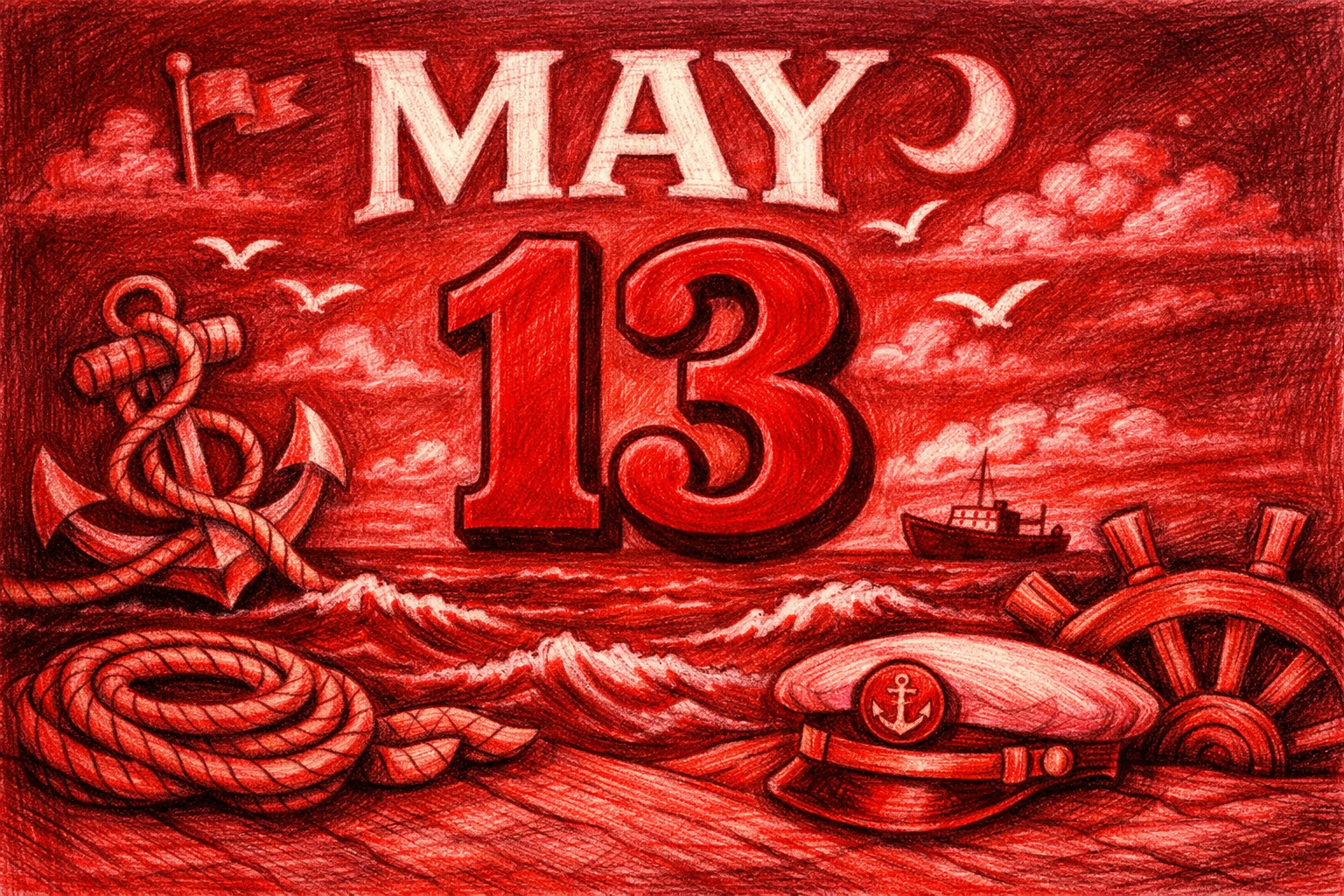
Global News Update: May 13, 2026손 가는 대로/그냥 2026. 5. 13. 05:58728x90
Global News Update: May 13, 2026
Good morning. It is Wednesday, May 13, 2026. This is your deep-dive daily briefing. I am your anchor, delivering a comprehensive analysis of the pivotal events that have defined the last twenty-four hours.
We begin our broadcast on the world stage, where the strategic landscape of the Middle East remains in a state of extreme volatility. Overnight, President Donald Trump warned that the existing ceasefire in the West Asia conflict is currently on life support. This dire assessment follows the White House's rejection of a recent counteroffer from Tehran, a move that has dashed hopes for a rapid diplomatic breakthrough to reopen the Strait of Hormuz to commercial shipping. As the verbal sparring intensifies, reports have emerged suggesting that Pakistan, acting as a regional mediator, has allowed Iranian military aircraft to park on its airbases to shield them from potential American airstrikes. This development adds a layer of complexity to the mediation efforts and signals that while diplomacy continues, regional actors are increasingly hedging against a full-scale resumption of kinetic operations.
Transitioning from the front lines of diplomacy to the broader global economy, the shadow of war continues to weigh heavily on international growth projections. The International Monetary Fund has solidified its 2026 global growth forecast at 3.1%, a significant reduction from pre-war estimates. IMF Chief Economist Pierre-Olivier Gourinchas warned that if the conflict remains unresolved and energy prices stay steep, growth could plummet to as low as 2.0%, a level historically associated with global recessions. The Fund highlights that the world is currently grappling with a dual shock: the direct inflationary pressure from surging oil and gas prices, and the structural fiscal strain as nations divert capital toward defense. This shift toward a wartime economic footing is weakening fiscal buffers and threatening to crowd out the productive investments necessary for a sustainable long-term recovery.
In the realm of finance, all eyes are on the United States Senate as it reaches a historic turning point in monetary policy. On Tuesday, the Senate confirmed Kevin Warsh to a fourteen-year term on the Federal Reserve Board of Governors, clearing the primary hurdle for his installation as the next Chair of the central bank. Warsh is widely expected to be officially installed as chief before the end of the week, just in time to replace Jerome Powell, whose term concludes this Friday, May 15. The incoming chair has pledged an ambitious reform agenda, advocating for a regime change in how the Fed communicates and implements policy. Institutional investors are bracing for a more hawkish era under Warsh, who has vowed to maintain the Fed's independence while navigating a global debt pool that now exceeds 315 trillion dollars and an inflationary environment fueled by the ongoing Middle East crisis.
Turning our attention to the technology sector, the focus remains on the massive infrastructure supercycle driven by the critical need for energy-independent artificial intelligence. In a landmark strategic partnership announced recently, Terrestrial Energy and Riot Platforms have signed a memorandum of understanding to explore the deployment of advanced small modular reactors to power hyperscale data centers. This move aims to bypass the physical power ceiling of a volatile global grid by utilizing molten salt reactor technology to provide reliable, carbon-free baseload power. As the electricity demand for AI workloads is projected to be inherently inflationary in the near term, tech giants are increasingly evolving into decentralized energy producers. This vertical integration of compute and power is now viewed as the new frontier of technological leadership, ensuring that the next generation of agentic AI can operate within a secure and self-sustaining digital infrastructure.
Finally, we look at the logistics and supply chain networks that serve as the vital arteries of global commerce, which are now undergoing a permanent structural rewiring. The ongoing crisis in the Strait of Hormuz has essentially forced the maritime industry to finalize its transition to the Cape of Good Hope as the primary route for Asia-to-Europe trade. Data from maritime intelligence firms indicate that while the temporary ceasefire provided a brief pause, the rejection of the latest peace terms has solidified the detour as a semi-permanent baseline for world trade. This shift adds roughly fourteen days to standard transit times and has absorbed a significant portion of the global fleet's total capacity. Logistics professionals warn that the world has moved toward a fractured trade model where regional inventory buffers and security of supply are now prioritized over cost optimization, leading to a sustained period of higher consumer prices.
In summary, the global landscape is defined by a fragile Middle Eastern ceasefire on the brink of collapse, a significant downgrade in global growth projections, and a historic leadership transition at the Federal Reserve. Technological innovation is pivoting toward energy independence to bypass a volatile grid, while the logistics industry has accepted a permanent, high-cost rerouting of world trade.
Based on the current trajectory, I predict that the official installation of Kevin Warsh as Fed Chair this Friday will serve as a definitive signal to the markets that the era of central bank accommodation is over. Even if a last-minute diplomatic breakthrough occurs in the Middle East, the structural inflation baked into the new regionalized logistics model and the massive capital redirection toward energy-independent AI infrastructure will prevent a return to the low-interest-rate environment of the previous decade. We are entering a long-term cycle where resilience and national security will consistently outweigh the efficiencies of the old globalized order.
This content was created with the help of AI.https://tv.naver.com/v/99409336
세상 속에서
May 13, 2026
tv.naver.com
안녕히 주무셨습니까. 2026년 5월 13일 수요일입니다. 지난 24시간 동안 전 세계에서 발생한 주요 소식들을 심층적으로 전해드리는 일일 글로벌 브리핑입니다. 저는 오늘 진행을 맡은 앵커입니다.
먼저 국제 소식입니다. 중동의 전략적 지형이 극도로 불안정한 상태를 유지하고 있습니다. 지난밤 도널드 트럼프 대통령은 서아시아 분쟁의 휴전이 현재 인공호흡기에 의존하고 있는 위태로운 상태라고 경고했습니다. 이러한 부정적인 평가는 백악관이 테헤란의 최근 역제안을 거부하면서 나온 것으로, 호르무즈 해협을 상업적 통행에 다시 개방하려던 외교적 돌파구에 대한 기대감이 꺾였습니다. 외교적 설전이 격화되는 가운데, 중재자 역할을 하던 파키스탄이 이란의 군용기들을 자국 공군 기지에 주차하도록 허용하여 미국의 공습으로부터 보호하고 있다는 보고가 전해졌습니다. 이는 중재 노력을 더욱 복잡하게 만드는 동시에, 지역 행위자들이 외교를 이어가면서도 대규모 군사 작전의 재개 가능성에 대비해 위험을 분산하고 있음을 시사합니다.
외교가 소식에서 더 넓은 세계 경제 분야로 넘어가면, 전쟁의 그림자가 세계 경제 성장률 전망에 무거운 짐을 지우고 있습니다. 국제통화기금은 올해 세계 성장률 전망치를 3.1%로 확정했는데, 이는 전쟁 이전 추정치보다 크게 하향 조정된 수치입니다. IMF 수석 경제학자 피에르 올리비에 구린샤는 분쟁이 해결되지 않고 고유가가 지속될 경우, 성장률이 역사적으로 세계적 경기 침체와 연계되는 2.0% 수준까지 급락할 수 있다고 경고했습니다. IMF는 현재 세계 경제가 급등하는 에너지 가격으로 인한 직접적인 인플레이션 압력과, 국방비 증액으로 인한 재정적 부담이라는 이중고를 겪고 있다고 강조했습니다. 이러한 전시 경제 체제로의 전환은 재정 여력을 약화시키고 장기적 회복을 위한 생산적 투자를 잠식할 위험이 있습니다.
금융 분야에서는 미국의 차기 통화 정책 시대를 정의할 역사적인 전환점에 모든 시선이 집중되고 있습니다. 화요일 미 상원은 케빈 워시를 연방준비제도 이사로 인준함으로써, 그가 차기 의장으로 취임하기 위한 주요 관문을 통과시켰습니다. 워시 내정자는 이번 주 금요일인 5월 15일 임기가 만료되는 제롬 파월의 뒤를 이어 이번 주 중 공식 취임할 것으로 널리 예상됩니다. 차기 의장은 연준의 정책 소통과 집행 방식을 근본적으로 바꾸는 체제 변화를 예고했습니다. 기관 투자자들은 315조 달러를 돌파한 글로벌 부채 규모와 중동 위기로 인한 인플레이션 환경 속에서, 워시 내정자가 연준의 독립성을 유지하며 더욱 매파적인 기조를 이어갈 시대를 준비하고 있습니다.
기술 부문에서는 에너지 자립형 인공지능 구축을 위한 막대한 인프라 투자 사이클이 화두가 되고 있습니다. 최근 테레스리얼 에너지와 라이엇 플랫폼은 하이퍼스케일 데이터 센터에 전력을 공급하기 위해 첨단 소형 모듈형 원자로 배치를 검토하는 내용의 업무협약을 체결했습니다. 이는 용융염 원자로 기술을 활용하여 불안정한 글로벌 전력망으로부터 독립된 탄소 없는 기저 부하 전력을 확보하려는 시도입니다. 인공지능 작업에 따른 전력 수요가 단기적으로 인플레이션을 유발할 것으로 예상됨에 따라, 거대 기술 기업들은 스스로 탈중앙화된 에너지 생산자로 진화하고 있습니다. 이러한 컴퓨팅과 전력의 수직 계열화는 차세대 에이전트 AI가 자급자족 가능한 디지털 인프라 내에서 작동할 수 있도록 보장하는 기술 패권의 새로운 경계로 간주되고 있습니다.
마지막으로 글로벌 상거래의 동맥인 물류 및 공급망 네트워크 소식입니다. 호르무즈 해협 위기로 인해 해운 업계는 아시아와 유럽 간 무역의 주요 경로로서 아프리카 희망봉 우회를 최종 확정했습니다. 해상 정보 업체들의 데이터에 따르면 일시적인 휴전이 짧은 소강상태를 제공했으나, 최근 평화 협상안이 거부되면서 우회 항로가 세계 무역의 반영구적인 기본값으로 굳어졌습니다. 이러한 변화는 운송 기간을 약 14일 연장시켰으며 전 세계 선복량의 상당 부분을 잠식했습니다. 물류 전문가들은 세계 무역이 지역별 완충 재고와 공급의 안전을 비용 최적화보다 우선시하는 분절된 모델로 이동하고 있으며, 이로 인해 소비자 가격의 지속적인 상승세가 이어질 것이라고 경고하고 있습니다.
요약하자면, 현재 글로벌 지형은 붕괴 위기에 처한 취약한 중동 휴전과 세계 성장률 전망의 하향 조정, 그리고 연방준비제도의 역사적인 지도부 교체로 요약됩니다. 기술 혁신은 불안정한 전력망을 피하기 위해 에너지 자립을 향해 가속화되고 있으며, 물류 업계는 세계 무역의 영구적인 고비용 우회 경로를 수용했습니다.
현재의 흐름으로 볼 때, 이번 주 금요일 케빈 워시의 공식 취임은 시장에 중앙은행의 완화적인 시대가 끝났음을 알리는 결정적인 신호가 될 것으로 예측됩니다. 설령 중동에서 막판 외교적 돌파구가 마련되더라도, 새로운 지역 물류 모델에 내재된 구조적 인플레이션과 에너지 자립형 AI 인프라를 향한 막대한 자본 이동은 지난 10년간의 저금리 환경으로의 복귀를 가로막을 것입니다. 우리는 과거 글로벌 질서의 효율성보다 회복력과 국가 안보가 일관되게 중시되는 장기적인 사이클로 진입하고 있습니다.
이 콘텐츠는 AI의 도움을 받아 작성되었습니다.https://www.youtube.com/playlist?list=PLT29kw_Abnh1dEdLdoCEiSoA2NA0YXjQC
News
News
www.youtube.com
https://tv.naver.com/v/99409379?playlistNo=1022595
세상 속에서
May 13, 2026
tv.naver.com








 728x90
'손 가는 대로 > 그냥' 카테고리의 다른 글
2026년 5월 13일 12간지별 상세 운세 (0) 2026.05.13 오늘의 별자리 운세 (2026년 5월 13일) (0) 2026.05.13 12간지 오늘의 운세 (2026년 5월 12일 화요일) (0) 2026.05.12 2026년 5월 12일 별자리 운세 (0) 2026.05.12 Global News Update: May 12, 2026 (0) 2026.05.12