-
Global News Update: June 9, 2026손 가는 대로/그냥 2026. 6. 9. 05:47728x90
Global News Update: June 9, 2026
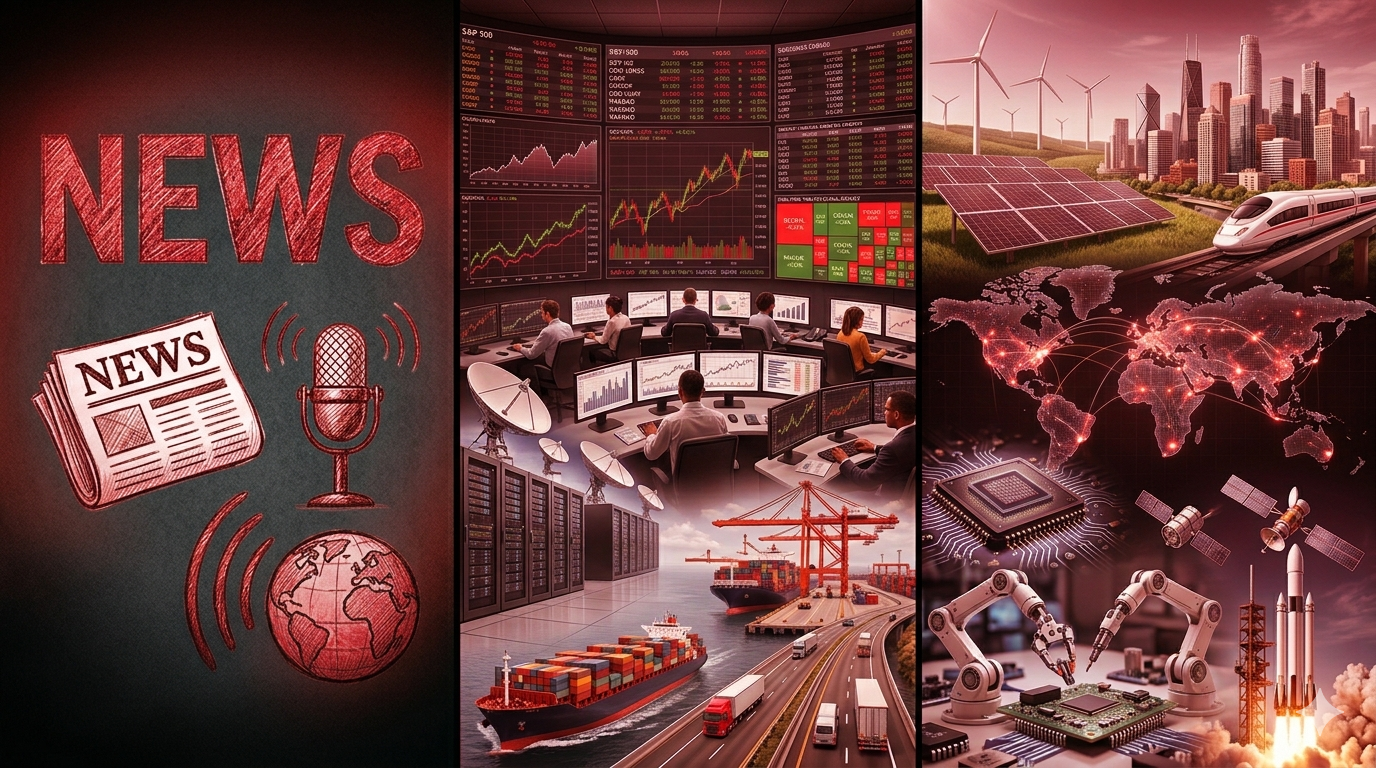
Good morning. It is Tuesday, June 9, 2026. This is your deep dive daily briefing. I am your anchor, delivering a comprehensive analysis of the pivotal events that have defined the last twenty four hours. Today, we will cover the latest global developments across seven key pillars: World, Economy, Finance, Stock, Technology, Energy, and Logistics.
We begin our broadcast on the world stage, where the strategic and military posturing surrounding the Middle East peace process has entered a highly delicate phase. The fragile ceasefire that took effect on April 8 to halt fighting involving the United States, Israel, and Iran is currently facing one of its most serious tests. Following recent escalations where Iran launched missile barrages toward Israel, Israeli forces struck several military targets in Iran in retaliation. United States President Donald Trump has actively intervened in the diplomatic sphere, asking both sides to stop shooting and reportedly urging Israeli leadership not to retaliate further while pressing Iran to resume negotiations. This persistent geopolitical friction is fundamentally altering domestic security protocols in allied nations. In Canada, a national intelligence watchdog has formally warned that the Canadian Security Intelligence Service risks stereotyping foreigners during security screening processes, highlighting the growing domestic complexities generated by heightened global threat levels.
Transitioning from the tense geopolitical landscape to the broader global economy, the macroeconomic picture presents a striking divergence between resilient growth and stubborn inflation. The United States economy continues to display surprising underlying momentum, with the May 2026 jobs report indicating that the nation added 172,000 jobs, significantly beating forecasts of 85,000. Despite this strong hiring activity, particularly in the leisure, hospitality, and healthcare sectors, wage growth remained tame at 3.4% year over year, suggesting the labor market is improving without stoking an immediate wage inflation spiral. However, the broader inflation narrative remains highly restrictive. The April Consumer Price Index came in hot, with headline inflation rising 3.8% year over year as the conflict in the Middle East continued to put upward pressure on prices. Looking globally, economic activity strengthened this year driven primarily by capital spending from the business sector, but this growth is uneven. While the United States and parts of Asia benefit from artificial intelligence infrastructure investments, Europe is generating less domestic growth and appears heavily exposed to the macroeconomic effects of the recent energy shock.
In the realm of finance, this environment of structural inflation and regional economic divergence is forcing a profound reassessment of risk and policy paths across international capital markets. Global markets are navigating an increasingly uneasy mix of geopolitical risk and shifting macro fundamentals, where the escalation in the Middle East has reintroduced a stagflationary impulse. The market pricing of central bank moves has completely reversed throughout the quarter, as previous expectations of rate cuts have been scaled back and replaced by concerns that monetary policy must stay restrictive for much longer. At the April Federal Open Market Committee meeting, the Federal Reserve voted to hold the federal funds rate steady at a range of 3.5% to 3.75%, with internal divisions becoming apparent as one governor dissented in favor of a rate cut while three other members voted in favor of acknowledging mounting upside risks to inflation. Consequently, fixed income markets have been anything but sanguine. Yields on United States Treasuries rose to their highest level in more than a year at the front end of the yield curve following the strong jobs report, while long end government bond yields in advanced economies have continued to grind higher to multi decade levels, reflecting the combined pressure of inflation risk and massive fiscal supply.
Turning our attention to the stock markets, global equities have remained surprisingly buoyant, yet they are increasingly characterized by extreme concentration and sudden bouts of regional volatility. The artificial intelligence investment cycle is functioning as a macro level stimulus, supporting strong earnings growth that is projected to continue through 2027. However, this dependency is creating severe risks in highly concentrated markets. South Korean stocks, often viewed as the poster child for artificial intelligence concentration risk, tumbled more than 8% and extended a three day decline to 13.5%, as investors pulled back from the bets that have fueled the global bull market. The benchmark index managed to narrow its drop later in the session as memory semiconductor makers Samsung Electronics and SK Hynix rebounded from their lows. Financial analysts warn that while the broader semiconductor sector is not currently in a bubble, it is trading at a premium of 28 times forward earnings compared to a historical average of 19 times, prompting institutional investors to take profits in storage companies that have seen unsustainable margin expansions.
Focusing entirely on the technology sector, the structural push to sustain the artificial intelligence supercycle continues to drive both capital expenditure and broader equity gains. Technology has accounted for an astounding 76% of global equity gains in the second quarter to date. Capital spending by hyperscalers has risen sharply and is expected to continue growing, functioning as a primary economic stimulus that drives demand across global supply chains and boosts industrial activity. This infrastructure rush is fundamentally reshaping adjacent industries, leading financial institutions to upgrade utility companies as they become structural beneficiaries of the artificial intelligence cycle through surging electricity demand and data center expansion. Nevertheless, wealth managers are calling for valuation discipline, cautioning that growing signs of market exuberance and an anticipated massive supply of initial public offerings from major innovators like SpaceX, Anthropic, and OpenAI risk creating a significant drag on the broader equity market in the second half of the year.
As we look at the energy markets, the structural fallout of the Middle East conflict continues to dominate pricing dynamics. Global crude oil remains underpinned by renewed regional tensions, and the recent April inflation report confirmed that energy prices rose by an alarming 18% year over year. The fallout from the Middle East conflict has broadened significantly, transmitting a stagflationary shock that flows through to transport, food, and fertilizer costs. Despite these macro level pressures, there is some localized relief for consumers in the United States, where domestic gasoline prices are projected to decline for a fourth consecutive week. Meanwhile, gold, traditionally a safe haven asset, broke key support levels recently due to rising inflation and rate fears, leading analysts to tactically downgrade the precious metal as its price action remains range bound and the stronger United States dollar reduces near term upside potential.
Finally, we examine the logistics and supply chain networks that serve as the vital arteries of international commerce, which are currently absorbing the compounding damage of synchronized geopolitical shocks. Global conflicts and supply disruptions have contributed to massive volatility in energy markets, creating severe uncertainty across the global aviation sector. In response to elevated jet fuel prices that are significantly increasing operating costs, the Government of Canada announced the launch of the Liquidity for Airline Sector Resilience facility, a new loan program offering up to 150 million dollars in repayable liquidity support to eligible domestic airlines. This targeted, temporary action coincides with the Canadian government temporarily removing the federal fuel excise tax to reduce costs by 4 cents per litre on aviation fuels. On the maritime front, a reopening of the Strait of Hormuz is considered the most critical risk catalyst for the global logistics network; financial analysts project that a permanent normalization of the strait would be the main trigger for a broadening of market participation, significantly lowering shipping and insurance premiums that have surged as trade routes remain disrupted.
In summary, the global landscape is defined by the fragile April ceasefire facing serious tests in the Middle East, while the United States economy demonstrates resilience with a 172,000 job gain alongside a hot 3.8% inflation print. Financial markets are repricing risk as the Federal Reserve holds the funds rate at 3.5% to 3.75%, driving Treasury yields to multi decade highs. The stock market remains supported by the artificial intelligence supercycle despite a severe 8% tumble in South Korean equities, while the technology sector braces for a massive wave of initial public offerings from major industry leaders. Energy markets remain elevated due to Middle Eastern tensions with prices up 18% year over year, forcing the Canadian government to launch a 150 million dollar liquidity facility to insulate its aviation logistics network from soaring fuel costs.
Based on the current trajectory of these events, I predict that the combination of sticky 3.8% headline inflation and the escalating artificial intelligence capital expenditure cycle will force the Federal Reserve to completely abandon any plans for a rate cut for the remainder of 2026. The fact that hyperscaler infrastructure spending is actively stimulating the broader economy means that underlying corporate demand will remain exceptionally firm, neutralizing the cooling effects of high interest rates on the consumer side. Unless a comprehensive, permanent peace treaty is signed to immediately reopen the Strait of Hormuz and crush the 18% inflation in energy prices, central banks will have no choice but to maintain a highly restrictive monetary posture well into the winter to prevent the stagflationary impulse from permanently unanchoring global price stability.
This content was created with the help of AI.https://tv.naver.com/v/100978906
세상 속에서
June 9, 2026
tv.naver.com
안녕하십니까. 2026년 6월 9일 화요일입니다. 지난 24시간 동안 전 세계에서 발생한 주요 소식들을 심층적으로 전해드리는 일일 글로벌 브리핑입니다. 저는 오늘 진행을 맡은 앵커입니다. 오늘은 세계, 경제, 금융, 증시, 기술, 에너지, 그리고 물류의 7가지 핵심 분야에 걸친 최신 글로벌 동향을 종합적으로 분석해 드리겠습니다.
먼저 국제 소식입니다. 중동 평화 프로세스를 둘러싼 군사적, 전략적 대치 국면이 매우 민감한 단계에 접어들었습니다. 미국, 이스라엘, 이란이 연루된 분쟁을 중단하기 위해 지난 4월 8일 발효된 불안정한 휴전 협정이 현재 가장 심각한 시험대에 올랐습니다. 이란이 이스라엘을 향해 미사일을 발사한 이후, 이스라엘군이 보복 조치로 이란 내 여러 군사 목표물을 타격하는 등 군사적 긴장이 다시 고조되었습니다. 이에 도널드 트럼프 미국 대통령은 양측에 사격 중단을 요청하며 이스라엘 지도부에는 추가 보복을 자제할 것을 촉구하고 이란에는 협상 재개를 압박하는 등 적극적인 외교적 개입에 나섰습니다. 이러한 지속적인 지정학적 마찰은 동맹국들의 국내 안보 프로토콜에도 근본적인 변화를 일으키고 있습니다. 캐나다에서는 국가 정보 감시 기관이 캐나다 보안정보국이 보안 검색 과정에서 외국인에 대한 고정관념을 개입시킬 위험이 있다고 공식 경고했으며, 이는 고조된 글로벌 위협 수준이 국내적으로 얼마나 복잡한 문제를 야기하는지 보여줍니다.
긴장감 넘치는 지정학적 지형에서 더 넓은 세계 경제 분야로 넘어가면, 거시경제 지표는 회복력 있는 성장과 완고한 인플레이션 사이의 극명한 괴리를 보여주고 있습니다. 미국 경제는 놀라운 잠재적 모멘텀을 계속해서 입증하고 있으며, 2026년 5월 고용 보고서에 따르면 8만 5천 개라는 시장의 전망치를 크게 뛰어넘어 17만 2천 개의 일자리를 추가한 것으로 나타났습니다. 특히 레저, 서비스, 의료 부문을 중심으로 강력한 고용 활동이 있었음에도 불구하고, 임금 상승률은 전년 동기 대비 3.4%로 안정적인 수준을 유지하여 즉각적인 임금발 인플레이션을 자극하지 않으면서 노동 시장이 개선되고 있음을 시사했습니다. 그러나 전반적인 물가 상승 압력은 여전히 강력합니다. 4월 소비자물가지수는 중동 분쟁이 물가에 지속적인 상승 압력을 가함에 따라 전년 동기 대비 3.8% 상승하며 시장을 긴장시켰습니다. 글로벌 관점에서 볼 때 올해 경제 활동은 기업 부문의 자본 지출에 힘입어 전반적으로 강화되었으나 그 성장은 불균형하게 나타나고 있습니다. 미국과 아시아 일부 지역이 인공지능 인프라 투자의 혜택을 누리고 있는 반면, 유럽은 내수 성장이 부진하고 최근의 에너지 쇼크가 가져온 거시경제적 타격에 크게 노출되어 있습니다.
금융 분야에서는 이러한 구조적 인플레이션과 지역별 경제 격차가 국제 자본 시장 전반에 걸쳐 신용 위험과 통화 정책 방향을 전면적으로 재평가하도록 만들고 있습니다. 글로벌 시장은 지정학적 위험과 변화하는 거시경제 기초 체력 사이의 불안한 조화를 탐색하고 있으며, 특히 중동의 긴장 고조가 스태그플레이션의 충격을 다시 유발하고 있습니다. 중앙은행의 정책 행보에 대한 시장의 가격 반영은 이번 분기 들어 완전히 역전되었으며, 통화 완화에 대한 이전의 기대감은 축소되고 통화 정책이 훨씬 더 오랫동안 긴축적으로 유지되어야 한다는 우려로 대체되었습니다. 4월 연방공개시장위원회 회의에서 연방준비제도는 연방기금금리를 3.5%에서 3.75% 범위로 동결하기로 결정했으나, 한 명의 위원이 금리 인하를 주장하고 다른 세 명의 위원이 인플레이션 상승 위험을 인정하는 쪽으로 투표하는 등 내부적인 의견 불일치도 표면화되었습니다. 그 결과 채권 시장은 결코 평온하지 않은 상황입니다. 강력한 고용 지표 발표 이후 미국 국채 단기물 수익률은 1년여 만에 최고치로 상승했으며, 선진국의 장기 국채 수익률 역시 인플레이션 위험과 막대한 재정 공급 부담이 결합되면서 수십 년 만에 최고 수준으로 계속해서 오르고 있습니다.
주식 시장으로 시선을 돌리면, 글로벌 증시는 놀라울 정도로 부양된 상태를 유지하고 있으나 극단적인 쏠림 현상과 갑작스러운 지역별 변동성 확대라는 특징을 보이고 있습니다. 인공지능 투자 사이클은 거시경제적 부양책으로 작용하며 2027년까지 이어질 것으로 예상되는 강력한 기업 실적 성장을 뒷받침하고 있습니다. 그러나 이러한 과도한 의존도는 고도로 집중된 시장에 심각한 위험을 초래하고 있습니다. 인공지능 쏠림 리스크의 대표적인 사례로 여겨지는 한국 증시는 글로벌 강세장을 주도해온 투자자들이 베팅을 철회하면서 8% 이상 급락하여 3일간의 하락폭을 13.5%로 확대했습니다. 다행히 메모리 반도체 제조업체인 삼성전자와 에스케이하이닉스가 저점에서 반등하면서 지수는 후반 들어 낙폭을 일부 만회했습니다. 금융 전문가들은 광범위한 반도체 부문이 현재 거품 상태는 아니지만 역사적 평균인 19배를 크게 상회하는 28배의 선행 주가수익비율로 거래되고 있다고 경고하며, 이에 따라 기관 투자자들이 지속 불가능한 마진 확장을 보인 저장장치 관련 기업들로부터 차익 실현에 나서고 있다고 분석했습니다.
기술 부문에 온전히 집중해 보면, 인공지능 수퍼사이클을 유지하려는 구조적인 동력이 자본 지출과 광범위한 주가 상승을 계속해서 견인하고 있습니다. 기술주는 2분기 현재까지 글로벌 주식 시장 상승분의 무려 76%를 차지했습니다. 하이퍼스케일러들의 자본 지출은 급격히 증가했으며 앞으로도 계속 성장할 것으로 예상되며, 이는 글로벌 공급망 전반에 걸쳐 수요를 창출하고 산업 활동을 촉진하는 주요 경제 부양책의 역할을 하고 있습니다. 이러한 인프라 확충 붐은 인접 산업의 지형을 근본적으로 재편하고 있으며, 금융 기관들은 전력 수요 증가와 데이터 센터 확장을 통해 유틸리티 기업들이 인공지능 사이클의 구조적 수혜자가 될 것으로 보고 투자 등급을 상향 조정했습니다. 그럼에도 불구하고 자산 운용가들은 밸류에이션에 대한 규율이 필요하다고 촉구하며, 시장의 과열 징후가 나타나고 스페이스엑스, 앤트로픽, 오픈에이아이와 같은 주요 혁신 기업들의 대규모 기업공개 물량이 쏟아질 경우 하반기 광범위한 주식 시장에 큰 부담으로 작용할 위험이 있다고 경고하고 있습니다.
에너지 시장을 살펴보면, 중동 분쟁에 따른 구조적 여파가 가격 결정 역학을 계속해서 지배하고 있습니다. 글로벌 원유 가격은 재점화된 지역적 긴장에 의해 하방 경직성을 확보하고 있으며, 최근 발표된 4월 물가 지표에 따르면 에너지 가격이 전년 동기 대비 18%라는 놀라운 급등세를 기록했습니다. 중동 분쟁의 파장은 운송, 식품, 비료 비용으로까지 스태그플레이션의 충격을 확산시키며 더욱 광범위하게 나타나고 있습니다. 이러한 거시적 수준의 압력에도 불구하고 미국 내 소비자의 경우 휘발유 가격이 4주 연속 하락할 것으로 전망되어 국지적인 안도감이 형성되고 있습니다. 한편 전통적인 안전 자산인 금은 인플레이션과 금리 공포로 인해 최근 핵심 지지선을 이탈했으며, 애널리스트들은 가격 변동성이 제한적이고 강달러 현상이 단기 상승 여력을 제한한다는 이유로 귀금속에 대한 전술적 투자 비중을 하향 조정했습니다.
마지막으로 국제 상거래의 핵심 동맥인 물류 및 공급망 네트워크를 살펴보면, 현재 이 분야는 동시다발적인 지정학적 충격이 초래한 복합적인 타격을 그대로 흡수하고 있습니다. 글로벌 분쟁과 공급망 차질은 에너지 시장에 막대한 변동성을 가져왔으며 글로벌 항공 부문 전반에 심각한 불확실성을 조성하고 있습니다. 운영 비용을 크게 증가시키는 높은 항공유 가격에 대응하여, 캐나다 정부는 자격을 갖춘 자국 항공사들에게 최대 1억 5천만 달러의 상환 가능한 유동성을 지원하는 신규 대출 프로그램인 항공 부문 회복력 유동성 시설의 출범을 발표했습니다. 이러한 선별적이고 한시적인 조치는 캐나다 정부가 항공유에 대한 리터당 4센트의 연방 유류 소비세를 한시적으로 면제한 것과 궤를 같이합니다. 해운 분야에서는 호르무즈 해협의 재개방이 글로벌 물류망의 가장 중요한 위험 완화 촉매제로 간주되고 있으며, 금융 전문가들은 해협의 영구적인 정상화가 시장 참여를 확대하는 주요 계기가 되어 무역로 마비로 폭등했던 해상 운임과 보험료를 크게 낮출 것이라고 전망합니다.
요약하자면, 현재 글로벌 지형은 중동에서 4월 휴전 협정이 심각한 시험대에 오른 가운데, 미국 경제가 17만 2천 개의 일자리 증가와 3.8%의 높은 인플레이션을 동시에 보여주는 복합적인 상황으로 정의됩니다. 금융 시장은 연방준비제도가 기준금리를 3.5%에서 3.75%로 동결함에 따라 위험을 재평가하고 있으며, 이로 인해 국채 수익률은 수십 년 만에 최고치로 치솟았습니다. 증시는 한국 주식 시장의 8% 급락에도 불구하고 인공지능 수퍼사이클의 지지를 받고 있으며, 기술 부문은 주요 업계 선두주자들의 대규모 기업공개 물량 출회를 준비하고 있습니다. 에너지 시장은 중동의 긴장으로 인해 전년 대비 18% 폭등한 가격을 유지하고 있으며, 이는 캐나다 정부가 폭등하는 연료비로부터 자국 항공 물류망을 보호하기 위해 1억 5천만 달러 규모의 유동성 지원 시설을 출범시키는 결정적인 배경이 되었습니다.
현재의 흐름을 바탕으로 볼 때, 3.8%에 달하는 완고한 소비자물가 상승률과 기하급수적으로 확대되는 인공지능 자본 지출 사이클의 결합은 연방준비제도가 2026년 남은 기간 동안 금리 인하 계획을 완전히 철회하도록 강제할 것으로 예측됩니다. 하이퍼스케일러들의 막대한 인프라 지출이 실물 경제를 적극적으로 부양하고 있다는 사실은 기업의 근본적인 수요가 예외적으로 견고하게 유지될 것임을 의미하며, 이는 고금리가 소비 측면에 미치는 냉각 효과를 상당 부분 상쇄할 것입니다. 호르무즈 해협을 즉각적으로 재개방하고 18%에 달하는 에너지 가격 인플레이션을 억제할 수 있는 포괄적이고 영구적인 평화 조약이 체결되지 않는 한, 중앙은행들은 스태그플레이션의 충격이 글로벌 물가 안정을 영구적으로 훼손하는 것을 막기 위해 이번 겨울까지 매우 긴축적인 통화 정책 기조를 고수할 수밖에 없을 것입니다.
이 콘텐츠는 AI의 도움을 받아 작성되었습니다.
https://www.youtube.com/playlist?list=PLT29kw_Abnh1dEdLdoCEiSoA2NA0YXjQCNews
News
www.youtube.com
https://tv.naver.com/v/100978923?playlistNo=1022595
세상 속에서
June 9, 2026
tv.naver.com
 728x90
'손 가는 대로 > 그냥' 카테고리의 다른 글
전쟁과 전투를 관장하는 신 (0) 2026.06.09 2026년 6월 9일 화요일 별자리 운세 (0) 2026.06.09 2026년 6월 8일 월요일 별자리에 따른 오늘의 운세 (0) 2026.06.08 Global News Update: June 8, 2026 (0) 2026.06.08 2026년 6월 7일 일요일 오늘의 별자리 운세 (0) 2026.06.07